






Limo seo ↗
Limo SEO improves the technical accessibility, service content and internal navigation of a limousine operator’s website so relevant passengers can find and evaluate it in organic search.
Party bus SEO organises search content around group size, occasion, supported areas and the information needed for a useful quote. A group-event enquiry has different qualification needs from a single airport transfer, so the service should have clear fleet suitability, date requirements and operator-approved policies.
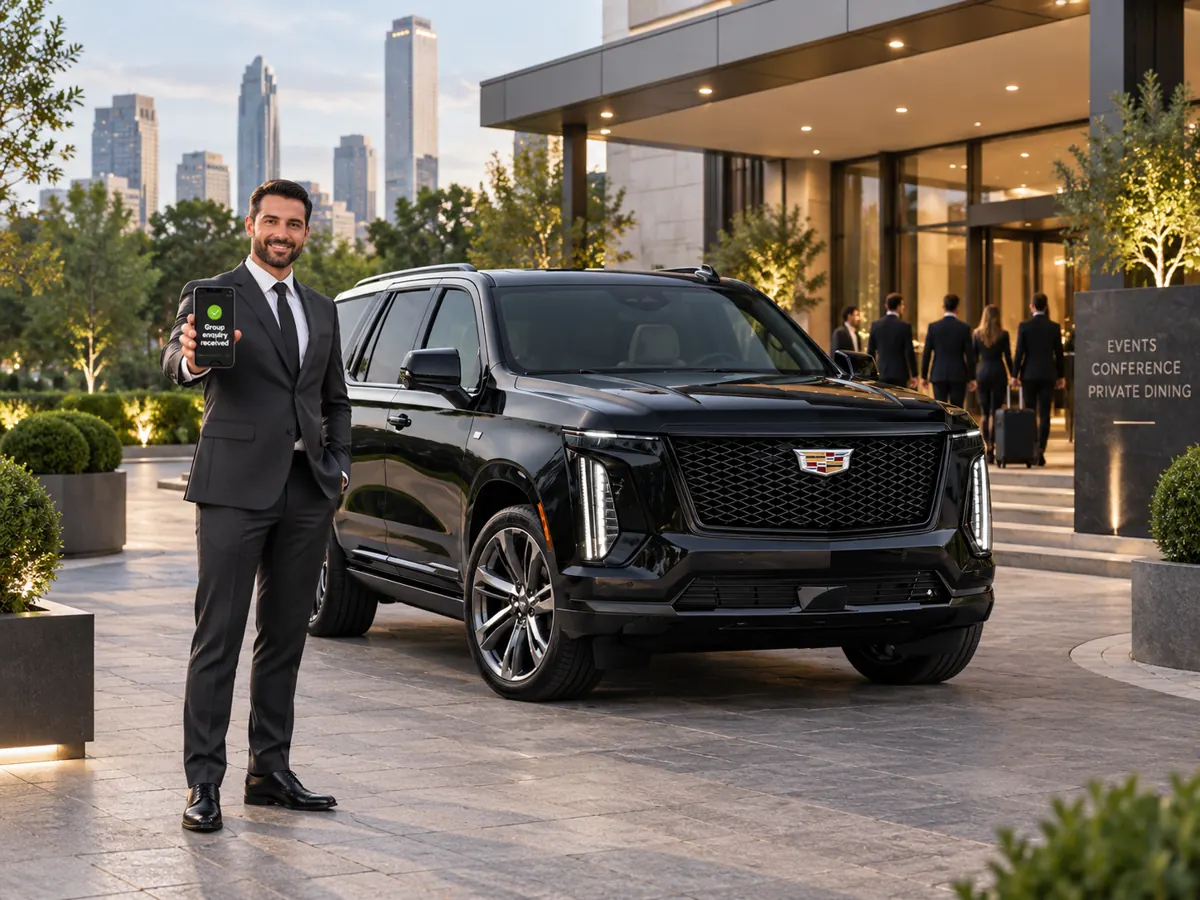
For operators with real party-bus capacity and accurate vehicle information. Confirm passenger limits, accessible options, service restrictions and event requirements before publishing.
These are work areas to scope after reviewing your business. The proposal defines deliverables, access, responsibilities and exclusions.
Separate relevant birthdays, celebrations and event journeys only when the operator offers them and the content differs.
Show genuine vehicles and approved passenger limits. Photos must not imply unavailable equipment.
Explain date, duration, pickup area and group size so the operator can qualify the enquiry.
Keep useful occasion pages and consolidate repeated city text. Track party-bus enquiries separately from airport trips.
Inventory fleet and policies; map meaningful occasion intent; improve the mobile quote flow; measure qualified event enquiries.
You approve business facts and supply authorised access. We document the implemented work and verification. Unsupported vendor actions, advertising spend and future search outcomes are not silently included.
Party bus searches are driven by events with dates: proms, weddings, bachelor and bachelorette weekends, wine tours, concerts and games. Each occasion asks different questions, so each one you really serve needs its own answers.
Publish or refresh a seasonal page well before the season, not the week it starts, so Google has time to crawl it and families have time to compare. Keep the same URL every year and update the dates, policies and vehicles on it. A new URL each year throws away what the old one earned.
Group organisers search by size: how many people fit. Every party bus you own deserves a section or page that answers that honestly.
State the seated capacity you are licensed and insured for, not a marketing number. Show photos of that exact vehicle, inside and out. List only the equipment that is actually installed and working. Add luggage space, wheelchair access if you have it, minimum booking hours and the occasions it suits.
A fleet hub page then links each bus by capacity, so someone with 18 guests can see which vehicles fit in one glance. Do not publish a page for a size you do not run. If a group outgrows your largest bus, say so and explain whether you split groups or refer the trip to a partner.
You do not have to publish a rate card. But a page that explains how you price saves your team from quoting groups that were never going to book.
Explain the parts of a party bus price in your own terms: hourly rate and minimum hours, how day of week and season change the rate, gratuity, fuel or travel charges, tolls and parking, deposit and when it is due, cancellation terms, and cleaning or damage fees. If you show a “from” price, it must be a price you honour on real dates.
Then link the page from every occasion and vehicle page, and add a short line near the quote form: “Prices depend on date, hours and vehicle. Here is how we price.”
Google’s spam policies call out pages built for specific cities or regions that funnel users to one place. That describes most “party bus [city]” pages with only the name swapped.
A simple test: would this page still be useful if you removed the city name? A good local page has things only that place has. Real venues you drive to, with drop-off rules you have checked. Typical travel times from your base. The occasions that are popular there. Which of your buses suit the roads or venues. A local page with none of that should be merged into your main party bus page.
Event pages follow the same rule. A page for a concert venue or a wine region earns its place when it covers pickup logistics, timing and the vehicles that fit, not when it repeats a generic sales paragraph.
Google’s Business Profile guidelines say your categories should describe what your business is, using as few as possible, with the most specific one that fits as your primary category.
We do not list category names here because Google’s help pages do not publish the full category list. Check what the category picker in your own profile offers today. More on our Business Profile service.
These are the three page types most party bus sites are missing. Fill them with your own facts.
Open with the bus name and seated capacity in the first line. Follow with a gallery of that exact bus, then a short list of installed features. Add a paragraph on the occasions it suits and the ones it does not. Close with minimum hours, a link to the pricing page and a quote form pre-set to that vehicle.
Take “prom party bus” as the example. Open with who you serve and for which dates. Answer the questions parents ask: supervision, conduct policy, payment and contact during the night. List the buses that fit typical group sizes. Explain how far ahead to book, then show the quote form with the date field first.
Open with one honest sentence: price depends on date, hours, vehicle and route. Then explain each part of the price, your deposit and cancellation terms, and what is and is not included. End with two or three worked examples written from real past quotes, and a link to request your own.
Need the site to carry these? See limo website design, or model the bookings you need in the booking planner.
Open a scenario.
The first useful questions are date, pickup area, duration and verified fleet capacity. An instant acceptance without those checks is not a booking.
An airport transfer page should not be overloaded with party-bus phrases. Each service answers a different journey need.
Scope depends on fleet content, distinct occasion coverage and the current site structure; no universal ranking timetable applies.
Use the booking calculator to explore your own assumptions. It does not measure current market competition, forecast search positions or establish a return on investment.
A party bus business can be profitable when its buses run enough paid hours on peak dates, but we will not quote a margin without your numbers. The drivers are minimum booking hours, how full weekends and the prom and wedding seasons are, insurance for larger vehicles, cleaning and damage costs, and how many quotes turn into deposits.
Advertise party bus services by occasion and group size: a page for each occasion you serve, such as prom, bachelorette or wine tours, a page for each bus with its real seated capacity, a pricing explainer and an accurate Google Business Profile. Run Google Ads during peak weeks, once quote forms and calls are tracked.
Good party bus marketing ideas: refresh the same seasonal URL every year before prom and wedding season, publish a page explaining how you price, build venue pages with checked drop-off rules, and photograph each bus inside and out. Avoid identical pages with only the city name swapped; Google's spam policies treat them as doorway abuse.
A party bus carrying paying passengers across state lines needs a USDOT number, because FMCSA requires one for interstate vehicles designed or used to carry more than 8 passengers including the driver. FMCSA also lists California, Michigan, New York and Texas among states requiring USDOT numbers for intrastate carriers. Our limo license guide lists the regulators.
Only when the operator serves it and the page adds useful distinct information.
Use the operator’s approved policy and current applicable requirements. Do not assume a universal policy across regions.
Limo SEO improves the technical accessibility, service content and internal navigation of a limousine operator’s website so relevant passengers can find and evaluate it in organic search.
Prom limo marketing plans seasonal transport content and campaigns around current event dates, real fleet capacity and operator-approved passenger policies.
Limo website design combines a clear fleet and service presentation with a practical mobile enquiry or booking journey.
Find the location guide for your operating market. Our agency works remotely from Dubai; a regional guide is not a local office.
Sources checked 20 October 2026: Google Business Profile guidelines · Google spam policies (doorway abuse) · FMCSA: Do I need a USDOT number?.
Service description updated 20 October 2026. Project evidence is shown with its own geography and reporting context; it is not proof of results for every service.
Your next stage of growth
Start with the extra revenue you want each month. See the bookings, enquiries and advertising budget behind it, using numbers you can change.
Your monthly booking goal
Enter your city and select Calculate. Your plan will appear here.
Calculated from your inputs. No live search volumes, rankings or market prices are inferred.
Book a meeting with Wali ↗
Choose a date and time to discuss your business. No calculator report is required to book.
Bring your website, operating area and booking workflow. We will discuss the constraint and the work that fits.
Book a free meeting ↗Your next stage of growth
Start with the extra revenue you want each month. See the bookings, enquiries and advertising budget behind it, using numbers you can change.
Your monthly booking goal
Enter your city and select Calculate. Your plan will appear here.
Calculated from your inputs. No live search volumes, rankings or market prices are inferred.
Book a meeting with Wali ↗
Choose a date and time to discuss your business. No calculator report is required to book.
The work behind the plan
Published case studies from our own portfolio. Search traffic is shown as traffic, not bookings or revenue. Each story explains the work and its reporting period.
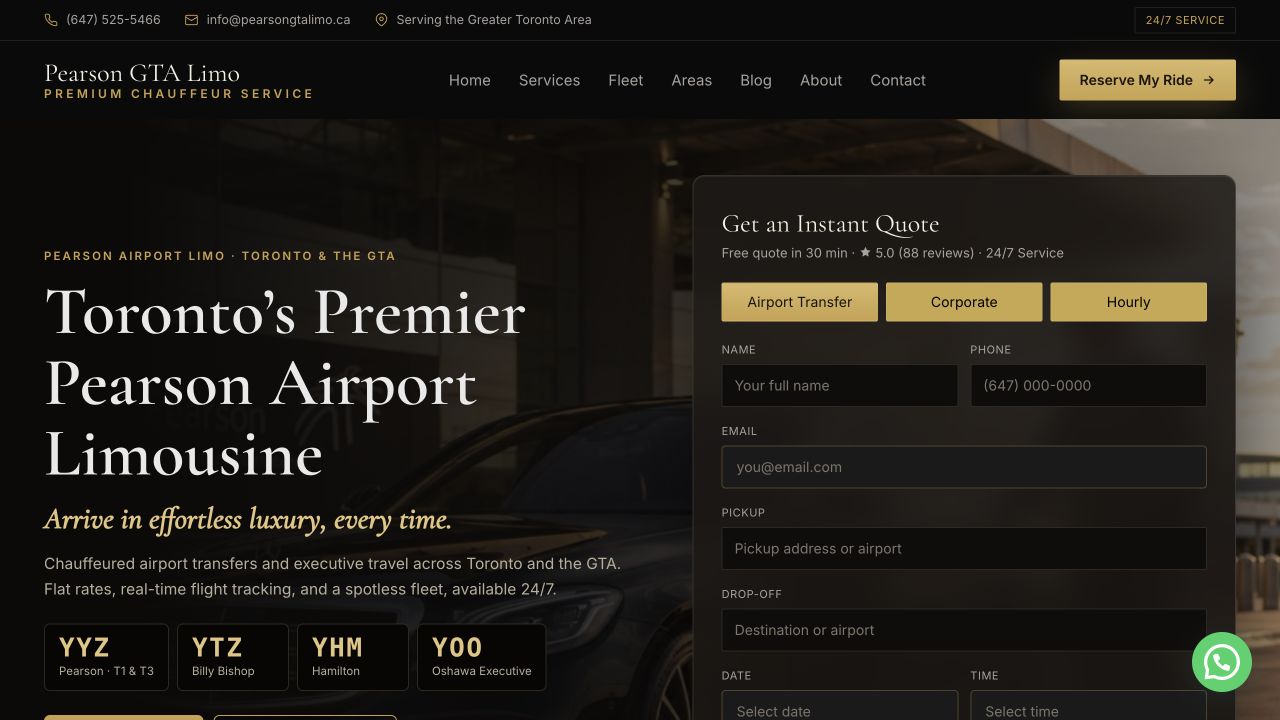
ranking searches kept through the Sept 2026 relaunch
82 city, 10 service and 13 route pages, with a 0.27s server response.
Read the case study ↗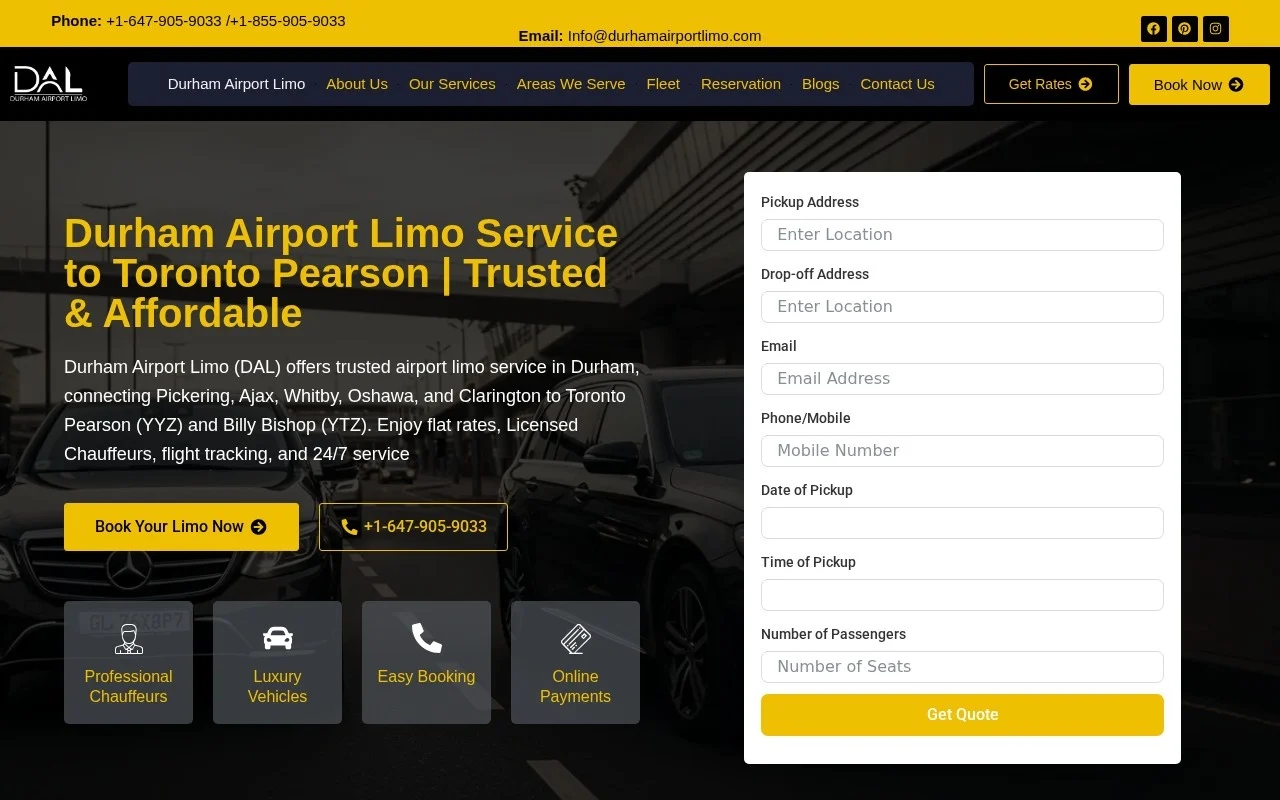
fake rating widgets removed across 32 pages
42 site defects fixed and every title and meta description rewritten.
Read the case study ↗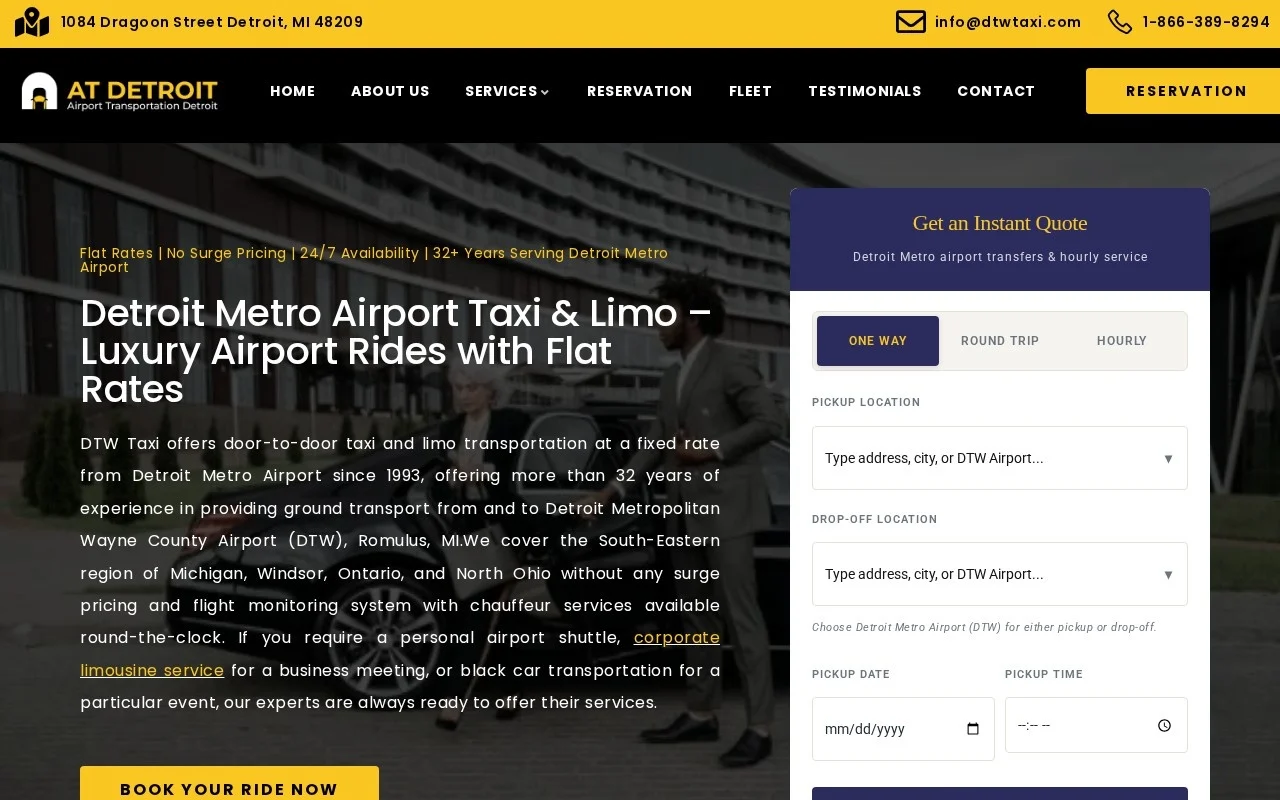
Google visits in Sept 2026, up from 13 in Dec 2025
Flat rates published for 262 cities, and city pages rewritten to be unique.
Read the case study ↗